Tree Care Tips Connecticut

Tree Care Tips in Bridgeport Expert Seasonal Guidance

Stay ahead of seasonal risks with tree care tips in Bridgeport that support healthier growth and safer landscapes year round

Seasonal guidance built around tree care tips in Bridgeport

Explore practical advice to keep trees healthy year-round with tree care tips in Bridgeport designed for local weather, soil, and seasonal stress. Learn simple routines for watering, seasonal pruning, and soil care; see how a mulch layer of 2–3 inches helps retain moisture and control weeds—while keeping material away from the trunk. Review storm-readiness checklists, hazard awareness, and when to schedule a professional assessment for pests, decay, or structural stress.

You’ll also find guidance on deep watering during dry months, protecting the root zone near driveways and lawns, and basic soil pH considerations that support strong growth. Each article focuses on clear steps, safety-first practices, and results you can see across your landscape, from shade trees to ornamentals. Save your favorite topics and return anytime for fresh, easy-to-follow guidance that helps your trees stay resilient, attractive, and well cared for throughout the year with tree care tips in Bridgeport.

Tree care tips in Bridgeport CT for seasonal pruning, watering, and tree health guidance

Tree Care Guides — Fairfield County

Practical tips for Tree Care, Pruning, Emergency, Stump, Cabling & Planting in Westport, Weston, Easton, Shelton and Bridgeport

Seasonal tree care checklist in Westport Tree Care

Seasonal Tree Care: Westport Checklist

• 6 min read

Annual plan for inspections, nutrients, and watering to keep trees healthy and avoid costly surprises in Westport.

Schedule visual inspections, review bark/canopy/exposed roots, and adjust watering by season. Include mulching, targeted pest control, and privacy/shade goals.

  • Spring/Fall inspection with comparison photos.
  • Mulch ring—never piled against the trunk.
  • Fertilization plan based on soil and species.
Ornamental pruning calendar in Weston Pruning

Ornamental Pruning Calendar: Weston

• 6 min read

When and how to prune ornamentals in Weston for form, bloom, and safe structure without topping.

Use selective cuts for clearance, light, and balance. Respect the branch collar, limit live tissue removal, and align with aesthetic goals.

  • Late winter for structure; post-bloom for shrubs.
  • Clearance over roofs and walkways.
  • Tool hygiene between species.
Storm readiness checklist across Fairfield County Emergency

Storm Readiness: Fairfield County Home Prep

• 7 min read

Pre-storm actions: structural pruning, access routes, and documentation to speed up emergency response.

Lower risk by removing deadwood and correcting imbalances. Define anchor points and protect high-traffic areas.

  • “Before” photos for insurance.
  • Lawn/driveway protection mats.
  • Power and fence safety checklist.
Stump grinding depth and replanting in Easton Stump

Stump Grinding: Depths & Replanting in Easton

• 5 min read

Typical depth, chip handling, access needs, and when to grind deeper for immediate replanting.

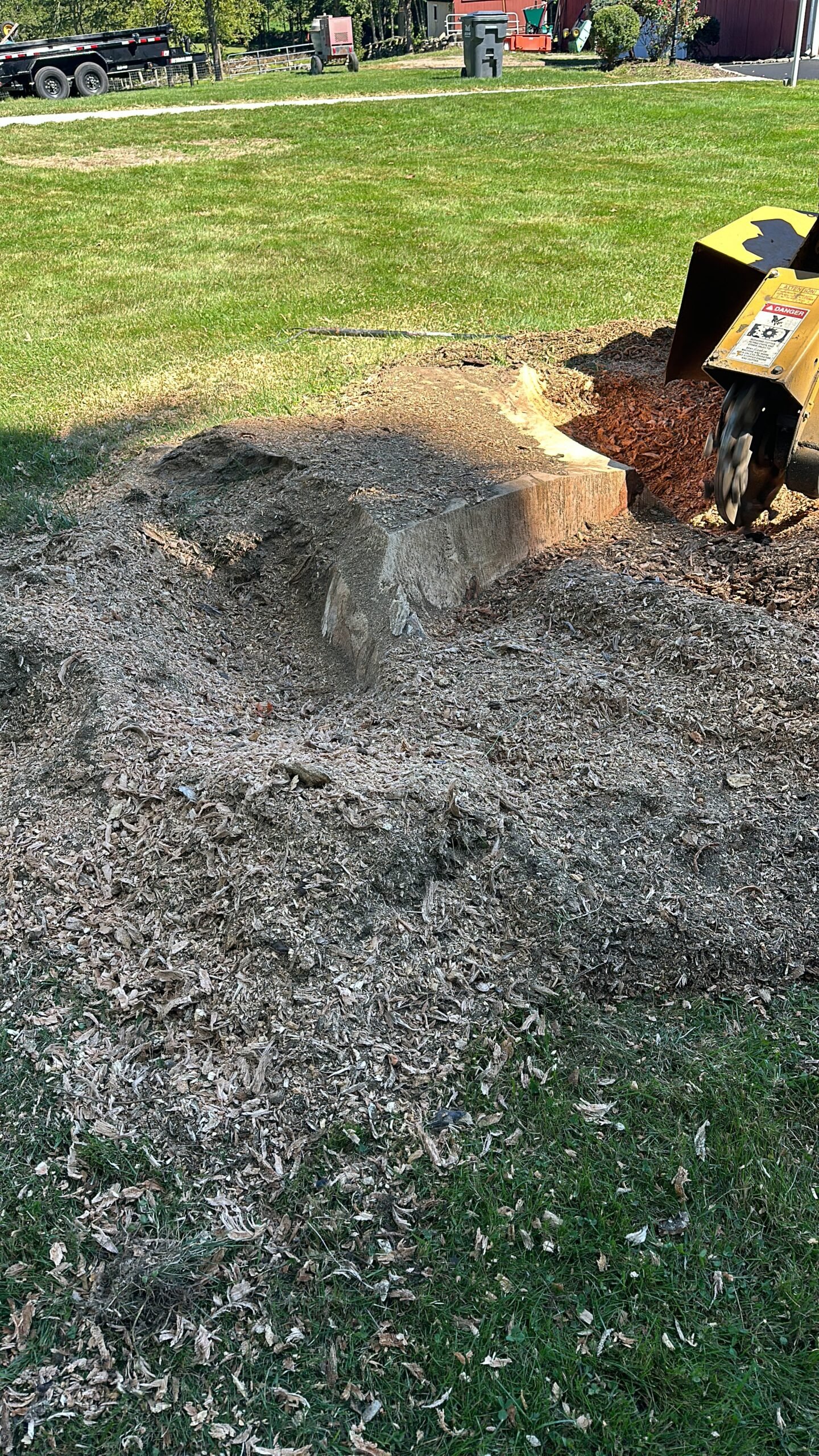
Common target: 8–12″ below grade while chasing surface roots. Decide on chip haul-away and topsoil backfill for level ground.

  • Utility and irrigation marking.
  • Backfill to minimize settling.
  • Seed/plant after leveling.
Cabling and bracing for mature canopies in Bridgeport Cabling

When to Cable Mature Trees: Bridgeport Guide

• 6 min read

Criteria for weak unions and extended leaders, plus reduction pruning to share the load.

Assess co-dominant stems, acute angles, and loads. Choose dynamic systems for controlled flex or static setups for high-risk scenarios.

  • Annual and post-storm inspections.
  • Durable, low-visibility hardware.
  • Strategic weight reductions.
Smart tree planting plan in Shelton Planting

Smart Planting Plans for Small Yards: Shelton

• 5 min read

Match species to light, space, and drainage; correct hole size, visible root flare, and establishment watering.

Combine resilient species, healthy soil, and a proper mulch ring. Avoid circling roots and plan temporary staking when needed.

  • Shade map and setbacks from structures.
  • Week 1–12 watering schedule.
  • Seasonal growth check-ins.
Annual health inspections across Fairfield County Tree Care

Annual Health Inspections: County-Wide Playbook

• 5 min read

What to review yearly: fungi, cavities, exposed roots, union angles, and fall risk.

Walk the perimeter, mark findings, and prioritize by risk level. Add photo tracking for trends.

  • Simple visual checklist.
  • Priority tiers: high, medium, low.
  • Annual maintenance plan.
Selective pruning for maples and oaks in Westport Pruning

Maples & Oaks: Selective Cuts in Westport

• 6 min read

Improve light and airflow without losing natural form; clean cuts at the collar.

Set goals for clearance, safety, and aesthetics. Avoid over-thinning and respect live foliage removal limits.

  • Three-cut method on larger limbs.
  • Clearances over roofs and fixtures.
  • 12-month follow-up visit.
After-storm first steps in Weston Emergency

After-Storm: First 24 Hours in Weston

• 6 min read

Safety, insurance photos, and hazard control before full cleanup.

Keep people and pets away from tensioned limbs. Close access points and document damage. Request a pro assessment for lines or complex loads.

  • Basic PPE for minor debris pickup.
  • Track hours/receipts for claims.
  • Prioritize access and roof areas.
Stump removal vs grinding in Shelton Stump

Removal vs. Grinding: Shelton Pros & Cons

• 5 min read

When full stump extraction makes sense and when deep grinding is enough.

Full extraction opens a larger trench and cost but removes major roots. Grinding is faster and lawn-ready with proper backfill.

  • Surface protection and access planning.
  • Chip handling and leveling.
  • Area recovery timelines.
Cabling paired with reduction pruning in Easton Cabling

Cabling + Reduction: Easton Best Practices

• 6 min read

How to combine supports and relief cuts for longer system life and lower risk.

Set correct tension, avoid wounds, and check hardware after strong winds. Reduction pruning improves cabling performance.

  • Anchor and rope selection.
  • Annual scheduled inspection.
  • Photo report with recommendations.
Right tree, right place plan in Bridgeport Planting

Right Tree, Right Place: Bridgeport Picks

• 5 min read

Choose by light, wind, and root space; quick guide for front and back yards.

Select species by mature height, non-invasive roots, and site tolerance. Set setbacks from structures and service lines.

  • Height & spacing reference table.
  • Staking and watering plan.
  • First-year maintenance.

Find Us in Fairfield County

We proudly serve Fairfield County and surrounding areas with professional tree care solutions.

We’re Here to Help!

Contact our team today for a free tree service quote, directions, or to explore nearby service areas.

Ready to Transform Your Landscape in Bridgeport?

Professional Tree Care Services Across Connecticut

Serving Bridgeport, Westport, Wilton, Weston, Easton, and Shelton — our certified arborists deliver safe, reliable, and expert tree care solutions.

Get a Free Estimate

Get in Touch

Tell us about your project

Need Immediate Assistance?

Call our team today and speak directly with a specialist.

Call Us Now

Frequently Asked Questions

We offer professional tree care, pruning, removal, stump grinding, and emergency services throughout Connecticut.

Yes, all our arborists are fully certified and trained to follow safety and industry best practices.

Absolutely. Our team is available for emergency tree services 24/7 to ensure your property remains safe.

Yes, we provide free, no-obligation estimates for all residential and commercial tree services.

We are fully licensed and insured for your peace of mind and property protection.

It’s recommended to prune trees every 1–3 years depending on the species and growth rate.

Yes, our stump grinding service ensures complete removal for a clean and safe landscape.

We proudly serve Bridgeport, Westport, Wilton, Weston, Easton, Shelton, and surrounding Connecticut areas.

Simply contact us via phone or our online form — we’ll respond promptly to arrange your appointment.

Yes, we handle both residential and commercial tree care, including large-scale property maintenance.

Tree Care Tips in Bridgeport

Smart and simple tree care tips in Bridgeport designed to help property owners protect tree health, safety, and long-term growth.

Practical guidance based on tree care tips in Bridgeport

Tree care tips in Bridgeport provide homeowners and businesses with reliable guidance to maintain healthy, well-structured trees throughout every season. These tree care tips in Bridgeport focus on watering routines, pruning schedules, soil conditions, and preventive maintenance.

Local climate conditions make tree care tips in Bridgeport especially important. Winter snow, strong winds, and summer heat place stress on trees, making regular inspections and trimming essential. Following tree care tips in Bridgeport helps reduce the risk of broken limbs and storm-related damage.

Mulching is a core recommendation within tree care tips in Bridgeport. Applying a 2–3 inch mulch layer helps conserve moisture, regulate soil temperature, and protect roots. Tree care tips in Bridgeport stress keeping mulch away from the trunk to prevent rot and insect problems.

Routine evaluations are another priority. Tree care tips in Bridgeport encourage annual inspections to detect early signs of decay, disease, or pest activity. Addressing these issues early using tree care tips in Bridgeport prevents costly removals later.

Homeowners who follow tree care tips in Bridgeport also benefit from deep watering during dry periods, avoiding equipment damage near roots, and maintaining proper soil balance. These tree care tips in Bridgeport support long-term tree stability, resilience, and curb appeal.

Tree care tips in Bridgeport provide practical and professional guidance to help property owners keep trees healthy, safe, and visually balanced throughout the year. Local weather conditions require a clear plan that focuses on inspection, pruning, soil care, root protection, and ongoing monitoring.

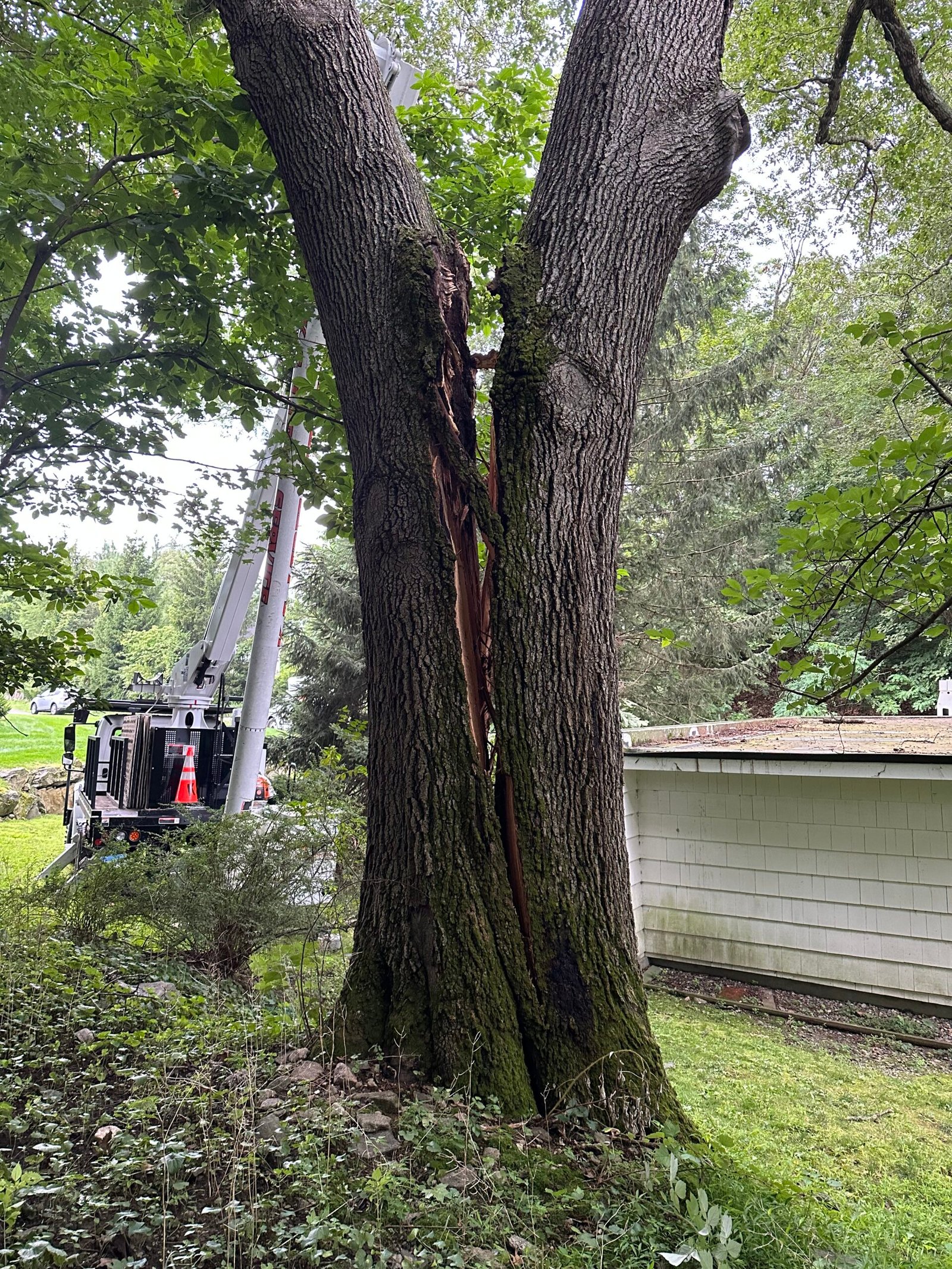
A routine visual inspection is the first step. Look for dead branches, peeling bark, trunk cracks, cavities, and weakened branch unions. Tight V-shaped unions and old wounds that failed to seal properly often signal structural concerns.

Tree care tips in Bridgeport recommend light, consistent pruning rather than aggressive cutting. Selective pruning improves structure, allows better airflow and sunlight penetration, and reduces the risk of breakage during storms, heavy rain, or snow accumulation.

Clean cuts made just outside the branch collar support proper healing. Tree topping should always be avoided, as it weakens tree structure, promotes poorly attached growth, and increases long-term risk.

Proper tools play a major role in tree health. Sharp pruners and saws, combined with tool sanitation between cuts on sensitive species, improve results and help prevent disease spread.

According to tree care tips in Bridgeport, watering should be deep and spaced out. Watering at the drip line encourages deeper root development, while frequent shallow watering leads to surface roots and drought stress.

Organic mulch applied at a depth of 2 to 3 inches helps retain moisture, regulate soil temperature, and suppress weeds. Mulch should always be kept away from direct contact with the trunk to prevent rot and pest issues.

Soil testing is an important step in long-term tree care. Bridgeport soils vary by location, and adjusting pH and nutrients based on soil analysis supports stronger growth and improved resilience.

In spring, tree care tips in Bridgeport suggest checking new growth, removing winter-damaged limbs, and refreshing mulch. Early structural pruning in young trees helps correct weak angles and distribute future canopy weight.

During summer months, monitor trees for signs of water stress. Persistent wilting, yellowing leaves, or insect activity may indicate the need for watering adjustments or professional evaluation.

Fall is an ideal time to remove deadwood and address hazardous limbs before seasonal storms. Clearing diseased leaves from the ground also helps interrupt fungal cycles.

Winter care focuses on protecting the root zone and minimizing salt exposure from nearby walkways or driveways. Breathable trunk wraps may help reduce frost cracking on sensitive species.

Integrated pest management prioritizes monitoring and action thresholds. Cultural methods such as pruning and sanitation are preferred, while treatments should only be used when necessary and appropriate for the issue.

Coastal winds, heavy snow, and poor drainage are common challenges in the area. Tree care tips in Bridgeport emphasize proper site drainage and selecting tree species that tolerate local conditions.

Cabling and bracing may be appropriate for trees with weak branch unions or unbalanced canopies. These systems must be installed and inspected by professionals to ensure effectiveness and safety.

For ornamental and fruit trees, precision pruning improves flowering and fruit production. Avoid pruning during extreme heat or freezing conditions, and follow species-specific growth cycles.

Surface roots require careful management. Cutting major structural roots near the trunk should be avoided; alternative solutions include root barriers or permeable surfaces near walkways.

Tree care tips in Bridgeport stress the importance of professional assessment for complex or high-risk tree work. Experienced evaluations reduce hazards and help protect long-term property value.

Safety remains a top priority. Proper work zones, rope systems, anchor points, and safety protocols are essential when managing tree hazards.

Preventive pruning before storms helps reduce damage. After severe weather, inspect for new cracks, leaning trunks, or exposed roots caused by saturated soil.

Native and well-adapted species generally require less maintenance. Choosing trees based on tolerance to salt, compaction, shade, drought, and cold improves long-term performance.

Proper spacing between trees and structures reduces the need for reactive pruning. Planning ahead ensures healthier growth and fewer conflicts over time.

Annual care records including pruning dates, treatments, and photos help track tree health trends and support informed decisions.

If fungal growth, sap leakage, insect galleries, or canopy imbalance appear, professional inspection is recommended. These symptoms may indicate internal decay or structural weakness.

Avoid soil compaction near the root zone caused by heavy equipment. Compacted soil limits oxygen availability and leads to long-term decline.

In coastal environments, salt spray can damage foliage and buds. Tree care tips in Bridgeport suggest salt-tolerant species or natural wind barriers to reduce exposure.

Irrigation systems should be adjusted seasonally based on rainfall. Overwatering leads to root rot, while insufficient watering causes stress and premature leaf drop.

For large limbs, reducing branches to viable laterals supports natural compartmentalization and minimizes deadwood.

Balanced canopies withstand snow load and lateral winds more effectively. A structurally sound tree is both safer and more visually appealing.

Ongoing education and professional standards, such as guidance from the International Society of Arboriculture, support best practices based on current research.

Local regulations and invasive species guidelines can be reviewed through Connecticut DEEP to ensure environmental compliance.

Responsible debris management through chipping, composting, and reuse reduces waste and improves soil quality.

When tree removal becomes necessary, planning for replacement with suitable species promotes long-term landscape resilience.

Tree care tips in Bridgeport often include seasonal maintenance plans. Scheduled inspections help detect issues early and stabilize long-term care costs.

Clear communication with neighbors and utility providers is essential when working near property lines or overhead lines.

For commercial properties, a tree inventory helps prioritize care based on risk, value, and site use.

In smaller yards, proper training pruning and moderate-size species maximize shade and privacy without overcrowding.

Well-maintained trees enhance curb appeal and overall property value. Healthy structure, clean lines, and balanced canopies reflect consistent care.

In summary, tree care tips in Bridgeport focus on regular evaluation, thoughtful pruning, soil health, root protection, deep watering, and professional support when risk increases. With consistent care and proper techniques, trees can thrive year after year.