Tree care tips in Bridgeport provide practical and professional guidance to help property owners keep trees healthy, safe, and visually balanced throughout the year.
Local weather conditions require a clear plan that focuses on inspection, pruning, soil care, root protection, and ongoing monitoring.
A routine visual inspection is the first step.
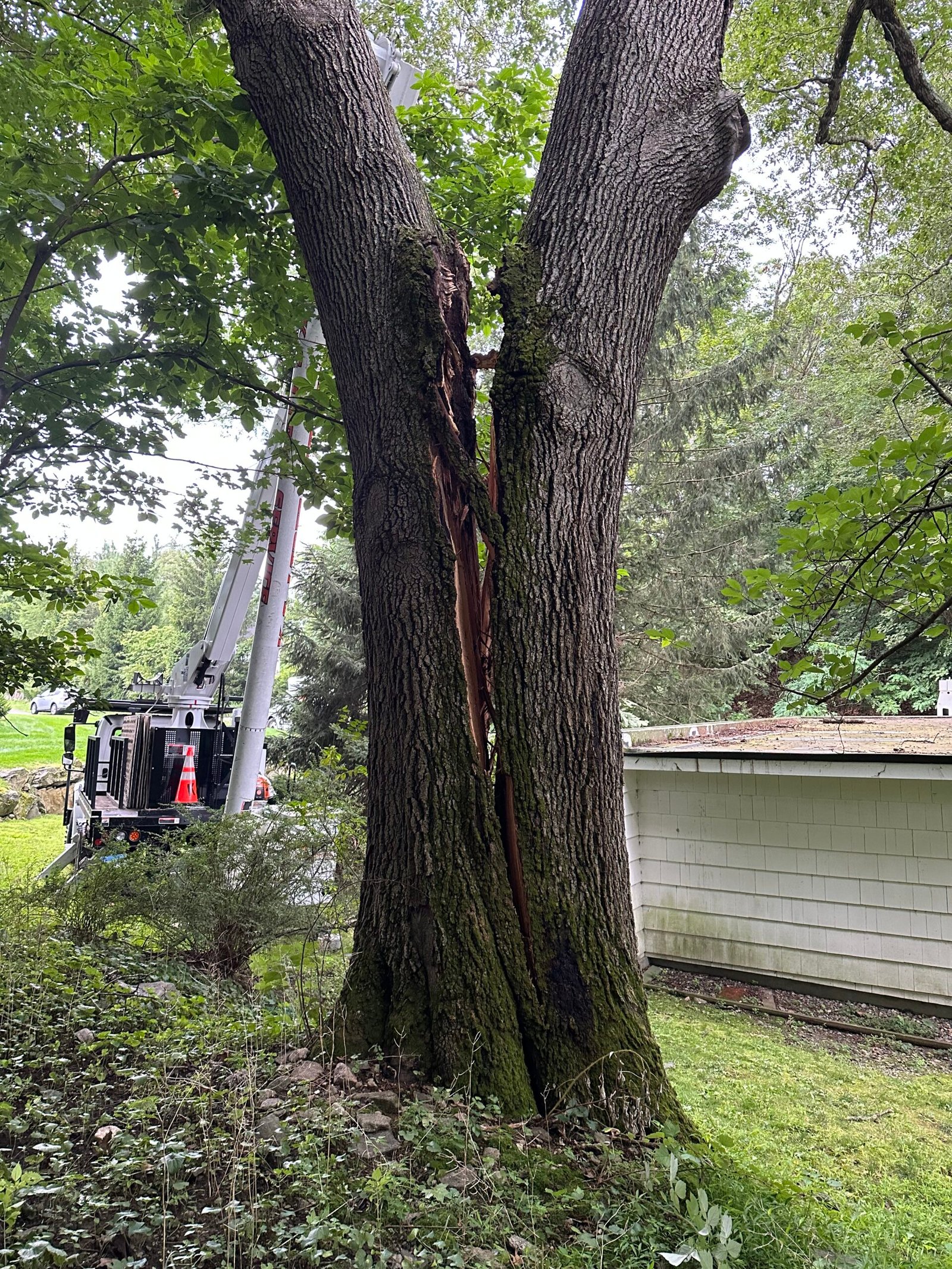
Look for dead branches, peeling bark, trunk cracks, cavities, and weakened branch unions.
Tight V-shaped unions and old wounds that failed to seal properly often signal structural concerns.
Tree care tips in Bridgeport recommend light, consistent pruning rather than aggressive cutting.
Selective pruning improves structure, allows better airflow and sunlight penetration, and reduces the risk of breakage during storms, heavy rain, or snow accumulation.
Clean cuts made just outside the branch collar support proper healing.
Tree topping should always be avoided, as it weakens tree structure, promotes poorly attached growth, and increases long-term risk.
Proper tools play a major role in tree health.
Sharp pruners and saws, combined with tool sanitation between cuts on sensitive species, improve results and help prevent disease spread.
According to tree care tips in Bridgeport, watering should be deep and spaced out.
Watering at the drip line encourages deeper root development, while frequent shallow watering leads to surface roots and drought stress.
Organic mulch applied at a depth of 2 to 3 inches helps retain moisture, regulate soil temperature, and suppress weeds.
Mulch should always be kept away from direct contact with the trunk to prevent rot and pest issues.
Soil testing is an important step in long-term tree care.
Bridgeport soils vary by location, and adjusting pH and nutrients based on soil analysis supports stronger growth and improved resilience.
In spring, tree care tips in Bridgeport suggest checking new growth, removing winter-damaged limbs, and refreshing mulch.
Early structural pruning in young trees helps correct weak angles and distribute future canopy weight.
During summer months, monitor trees for signs of water stress.
Persistent wilting, yellowing leaves, or insect activity may indicate the need for watering adjustments or professional evaluation.
Fall is an ideal time to remove deadwood and address hazardous limbs before seasonal storms.
Clearing diseased leaves from the ground also helps interrupt fungal cycles.
Winter care focuses on protecting the root zone and minimizing salt exposure from nearby walkways or driveways.
Breathable trunk wraps may help reduce frost cracking on sensitive species.
Integrated pest management prioritizes monitoring and action thresholds.
Cultural methods such as pruning and sanitation are preferred, while treatments should only be used when necessary and appropriate for the issue.
Coastal winds, heavy snow, and poor drainage are common challenges in the area.
Tree care tips in Bridgeport emphasize proper site drainage and selecting tree species that tolerate local conditions.
Cabling and bracing may be appropriate for trees with weak branch unions or unbalanced canopies.
These systems must be installed and inspected by professionals to ensure effectiveness and safety.
For ornamental and fruit trees, precision pruning improves flowering and fruit production.
Avoid pruning during extreme heat or freezing conditions, and follow species-specific growth cycles.
Surface roots require careful management.
Cutting major structural roots near the trunk should be avoided; alternative solutions include root barriers or permeable surfaces near walkways.
Tree care tips in Bridgeport stress the importance of professional assessment for complex or high-risk tree work.
Experienced evaluations reduce hazards and help protect long-term property value.
Safety remains a top priority.
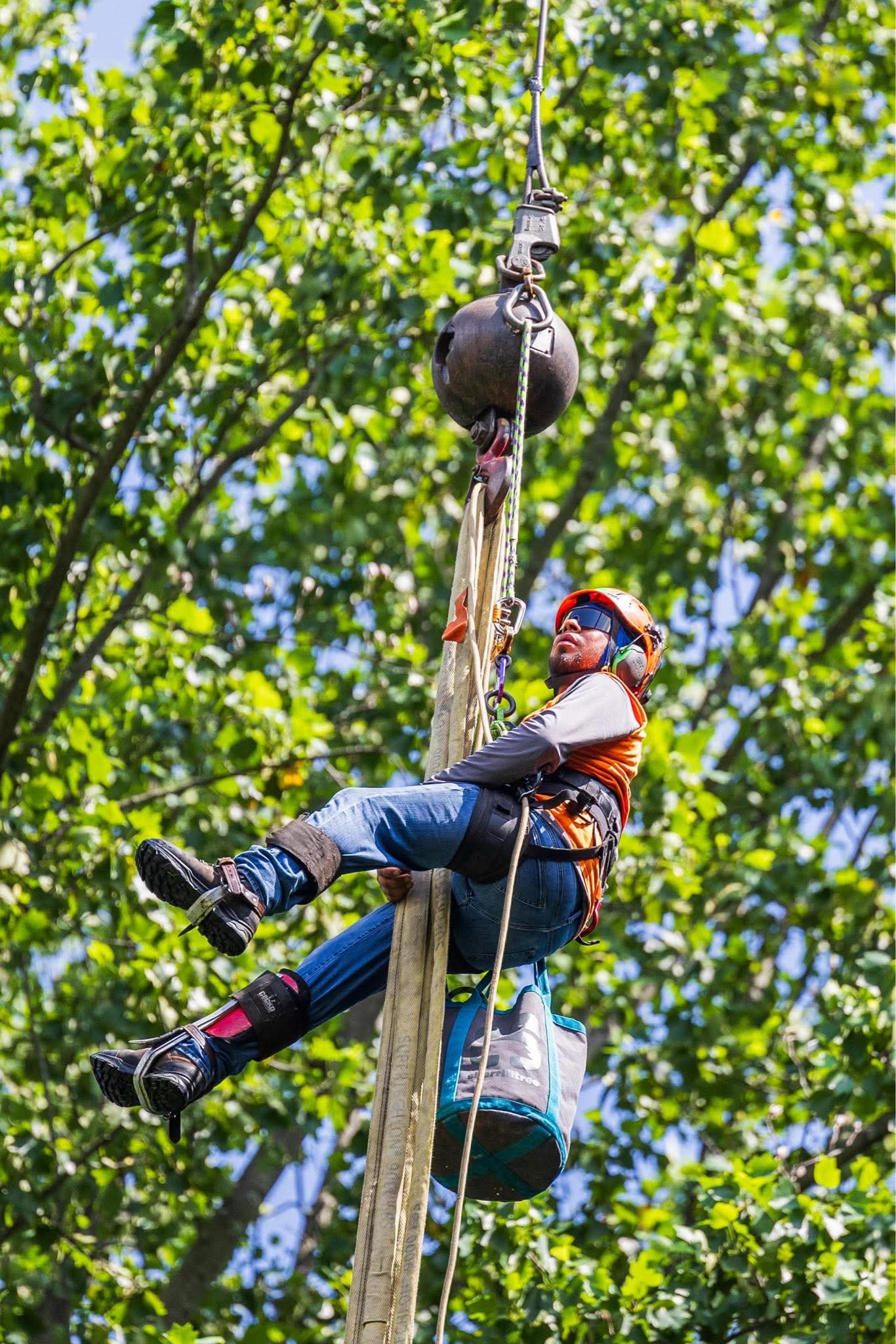
Proper work zones, rope systems, anchor points, and safety protocols are essential when managing tree hazards.
Preventive pruning before storms helps reduce damage.
After severe weather, inspect for new cracks, leaning trunks, or exposed roots caused by saturated soil.
Native and well-adapted species generally require less maintenance.
Choosing trees based on tolerance to salt, compaction, shade, drought, and cold improves long-term performance.
Proper spacing between trees and structures reduces the need for reactive pruning.
Planning ahead ensures healthier growth and fewer conflicts over time.
Annual care records including pruning dates, treatments, and photos help track tree health trends and support informed decisions.
If fungal growth, sap leakage, insect galleries, or canopy imbalance appear, professional inspection is recommended.
These symptoms may indicate internal decay or structural weakness.
Avoid soil compaction near the root zone caused by heavy equipment.
Compacted soil limits oxygen availability and leads to long-term decline.
In coastal environments, salt spray can damage foliage and buds.
Tree care tips in Bridgeport suggest salt-tolerant species or natural wind barriers to reduce exposure.
Irrigation systems should be adjusted seasonally based on rainfall.
Overwatering leads to root rot, while insufficient watering causes stress and premature leaf drop.
For large limbs, reducing branches to viable laterals supports natural compartmentalization and minimizes deadwood.
Balanced canopies withstand snow load and lateral winds more effectively.
A structurally sound tree is both safer and more visually appealing.
Ongoing education and professional standards, such as guidance from the
International Society of Arboriculture,
support best practices based on current research.
Local regulations and invasive species guidelines can be reviewed through
Connecticut DEEP
to ensure environmental compliance.
Responsible debris management through chipping, composting, and reuse reduces waste and improves soil quality.
When tree removal becomes necessary, planning for replacement with suitable species promotes long-term landscape resilience.
Tree care tips in Bridgeport often include seasonal maintenance plans.
Scheduled inspections help detect issues early and stabilize long-term care costs.
Clear communication with neighbors and utility providers is essential when working near property lines or overhead lines.
For commercial properties, a tree inventory helps prioritize care based on risk, value, and site use.
In smaller yards, proper training pruning and moderate-size species maximize shade and privacy without overcrowding.
Well-maintained trees enhance curb appeal and overall property value.
Healthy structure, clean lines, and balanced canopies reflect consistent care.
In summary, tree care tips in Bridgeport focus on regular evaluation, thoughtful pruning, soil health, root protection, deep watering, and professional support when risk increases.
With consistent care and proper techniques, trees can thrive year after year.

 Tree Care